Connect with us:

Australia Wide

LED UPGRADES WITHOUT SINKING FUNDS

Strata communities across Australia are facing a significant upcoming change: the national phase out of fluorescent lighting by the end of 2027.

For many buildings, this presents both a challenge and an opportunity. While an LED upgrade will eventually become unavoidable, the transition can also improve energy efficiency, reduce running costs and strengthen sinking fund cashflow, even for schemes with limited funds available…

Read More

SIMPLIFYING EMBEDDED NETWORKS IN STRATA BUILDINGS

Embedded networks are becoming increasingly common in strata communities across Australia. As energy costs continue to rise and buildings look for smarter ways to manage utilities, more apartment complexes and mixed-use developments are adopting this centralised energy model.

For many residents and Body Corporates, however, the term “embedded network” can sound technical and confusing. Understanding the basics is important because these systems directly affect how electricity is supplied, managed, and billed within a building…

Read More

FINAL ACCC INSURANCE MONITORING REPORT SIGNALS POSITIVE IMPACT FOR QUEENSLAND STRATA 

The Australian Competition and Consumer Commission (ACCC) has released its fifth and final monitoring report on the Cyclone Reinsurance Pool, concluding its formal role in monitoring the scheme’s impact.

The Australian Government established the cyclone reinsurance pool in 2022 to reduce the cost of reinsurance for cyclone risk and help make insurance more affordable for households and some small businesses in areas at higher risk of cyclones. The pool, which is administered by the Australian Reinsurance Pool Corporation, provides reinsurance for cyclone and cyclone-related flood risks covered under home, contents, strata and small business insurance (for sums insured up to $5 million) across Australia…

Read More

UNDERSTANDING MOISTURE INTRUSION AND HIDDEN WATER DAMAGE PATHWAYS

Moisture is one of the most common issues affecting community‑titled buildings. Because multi‑unit structures share walls, ceilings and services, even a small amount of water can travel further than expected. When moisture moves unnoticed, it can affect multiple lots, compromise building materials and create conditions that support mould growth.

This article explains how moisture behaves inside buildings, why water damage escalates quickly and what committees and managers can consider when responding to these situations…

Read More

COMMITTEES DON’T NEED MORE RESPONSIBILITY – THEY NEED BETTER SUPPORT

There’s a perspective worth pausing on.

Across Australia, there are far more strata committee members than elected officials. Thousands of volunteer owners are making decisions every day that directly affect how people live, what they pay, and how their communities function.

This isn’t trivia—it’s perspective.

These are not abstract policy debates. These are decisions about:

What someone can do with their home.

How much they contribute financially.

How shared spaces are maintained and improved.

How neighbours coexist in close quarters.

And unlike elected representatives, there is no buffer. Feedback doesn’t filter through departments or advisors. It arrives directly—in meetings, emails, and conversations at the front door.

Read on to learn about common misconceptions and the expectations vs reality placed on committees including how they can receive the support they need to contribute to their community in a meaningful way…

Read More

THE AGM TIME THIEF

Annual General Meetings are rarely anyone’s idea of a fun evening. Most strata unit owners and committee members attend because they care about their building, want to make responsible decisions, and would prefer to get through the agenda without turning what could be a 30-minute meeting into an endurance event.

Yet nearly every committee has encountered that owner…

Read More

THE HIDDEN RISK IN STRATA MAINTENANCE

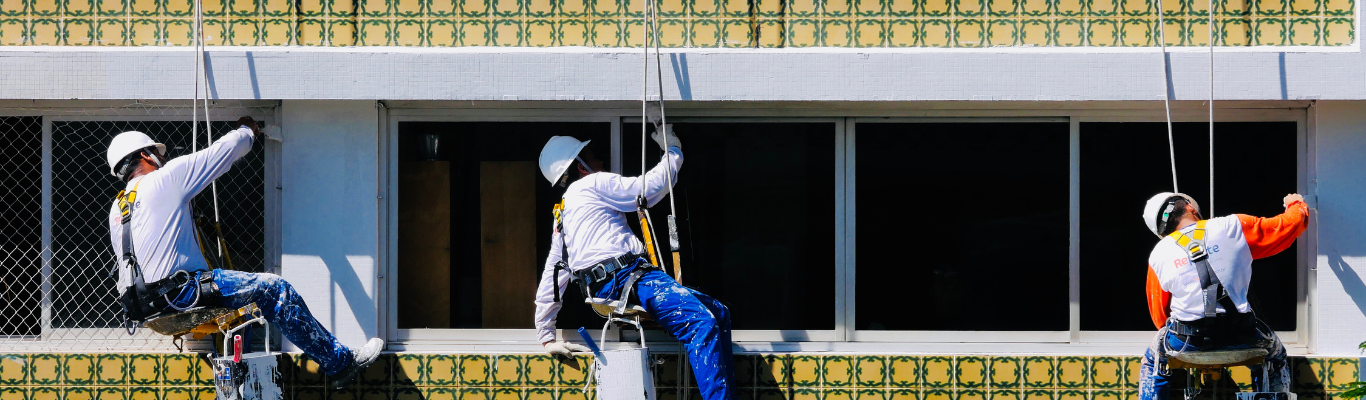
When bodies corporate begin planning for major maintenance projects, the focus is often placed on highly visible works such as repainting, roofing replacements, waterproofing upgrades, or lift modernisation. While these projects are undoubtedly important, one critical component of long-term building performance is frequently overlooked — the ongoing cleaning and Strata maintenance of shared spaces.

Cleaning is often viewed as an operational expense rather than part of a building’s broader asset protection strategy. However, poorly maintained common areas can contribute to accelerated wear and tear, increased safety risks, reduced resident satisfaction, and higher long-term maintenance costs.

As buildings age and usage patterns evolve, cleaning should be considered an essential part of every proactive maintenance plan rather than simply a reactive service…

Read More

FROM DEFECT TO DELIVERY: CONTROLLING COST AND RISK IN STRATA PROJECTS

In strata buildings, major projects are rarely caused by sudden failure. They are usually the result of issues that were identified too late or not acted on early enough. The earlier a problem is understood, the more options a Body Corporate has to manage it efficiently.

Delay reduces options and increases cost. A common example illustrates this clearly. A Body Corporate was presented with a $250,000 scope to rectify leaking balconies but chose to defer the works. Over time, ongoing water ingress caused widespread damage to structural elements and apartments below.

What was once a manageable repair escalated into a $3 million project. The issue itself did not change, only the timing of when it was addressed…

Read More

PREPARING FOR UPCOMING ENERGY RATE CHANGES

Strata communities across Australia should be aware of upcoming energy rate changes that are expected to impact operating costs in the months ahead.

With wholesale electricity prices fluctuating and network costs rising, many providers are forecasting noticeable increases across residential and commercial sectors…

Read More

UPGRADING STRATA GATE HARDWARE

Strata communities across Australia face ongoing challenges in maintaining secure, compliant, and functional access points, particularly around pool areas and pedestrian gates.

As major maintenance projects are planned, upgrading gate hardware is a critical consideration that directly impacts safety, security, and long-term maintenance costs.

This article explores the importance of reliable gate hardware and highlights key solutions that committees, owners, and managers can consider when addressing these essential access points…

Read More